Health Impact Survey
Yes, the Ford Government is changing legislation to make it easier for the ONTARIO SAND, STONE AND, GRAVEL ASSOCIATION to start new quarries! Please read and complete the survey. This survey is related to health risks associated with those operations!
Thanks to our friends at the Reform Gravel Mining Coalition for creating this survey in the interest of all residents of Ontario (If you live outside of Ontario, check your region for something similar).
Do you live near a pit or quarry in Ontario? If so, we ask you to complete our quick air emissions survey at the following link: https://www.surveymonkey.com/r/QJPYNKQ
We created this survey to gather information on the health impacts of people living near industrial open pit sand, stone and gravel mining from pits and quarries. We plan use this information to inform our advocacy campaign to improve air emission standards for aggregate mining.
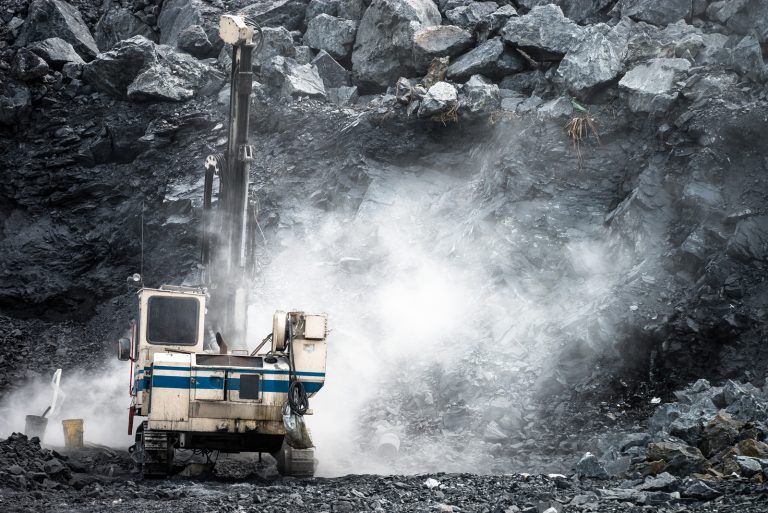
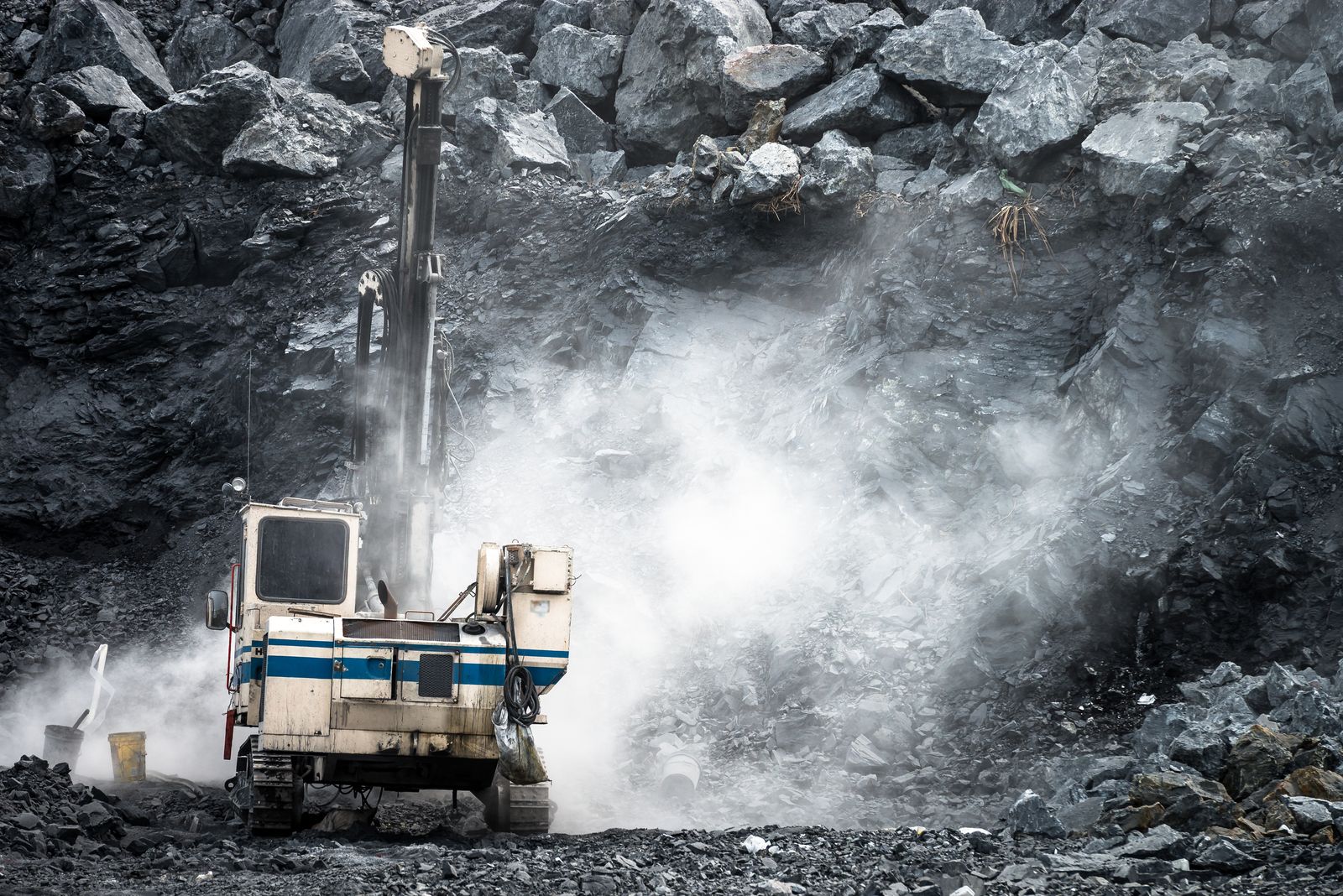
Particulate matter is invisible airborne dust, generally from soot, sand, dirt, and smoke. Due to their small size, these particles can travel deep into the lungs. Mining sand and stone may release ultrafine crystalline silica particles. Inhalation of crystalline silica particles may cause silicosis and is associated with increased risk of lung cancer, as well as other respiratory diseases such as chronic obstructive pulmonary disease, bronchitis, and emphysema, as well as kidney and autoimmune diseases.
As sources like wildfire smoke increase with climate change, it’s more critical than ever to reduce the sources of PM 2.5 that are controllable through regulations. Currently the province only has ambient air quality criteria for particulate matter 2.5 (PM 2.5). There is no legally binding standard to hold the industry to account for air emissions surrounding a quarry.
Working with health, climate change, and air quality groups, we plan to change that by advocating for the province of Ontario to adopt the health-based WHO (World Health Organization) standard for PM 2.5 of 5 micrograms per cubic meter (5 ug/m3). If governments implemented regulations to meet health related PM 2.5 standards the World Health Organization (WHO) projects preventable deaths could be avoided.
Please help us gather this important data to shape our campaign by completing the survey today.
Thank you, Mike, Susan, Sam and the Reform Gravel Mining Coalition for creating this survey!
Do you live near a pit or quarry in Ontario? If so, we ask you to complete our quick air emissions survey at the following link: https://www.surveymonkey.com/r/QJPYNKQ
We created this survey to collect information on the health effects of living near industrial sand, stone, and gravel mining operations. We plan to use this information to inform our advocacy campaign to improve air emission standards for aggregate mining.
Particulate matter is invisible airborne dust, generally from soot, sand, dirt, and smoke. Due to their small size, these particles can travel deep into the lungs. Mining sand and stone may release ultrafine crystalline silica particles. Inhalation of crystalline silica particles may cause silicosis and is associated with increased risk of lung cancer, as well as other respiratory diseases such as chronic obstructive pulmonary disease, bronchitis, and emphysema, as well as kidney and autoimmune diseases.
As sources like wildfire smoke increase with climate change, it’s more critical than ever to reduce the sources of PM 2.5 that are controllable through regulations. Currently the province only has ambient air quality criteria for particulate matter 2.5 (PM 2.5). There is no legally binding standard to hold the industry to account for air emissions surrounding a quarry.
Working with health, climate change, and air quality groups, we plan to change that by advocating for the province of Ontario to adopt the health-based WHO (World Health Organization) standard for PM 2.5 of 5 micrograms per cubic meter (5 ug/m3). If governments implemented regulations to meet health related PM 2.5 standards the World Health Organization (WHO) projects preventable deaths could be avoided.
Please help us gather this important data to shape our campaign by completing the survey today.
Thank you,
Mike, Susan, Sam and the RGMC Steering Committee