What’s In Your Water?
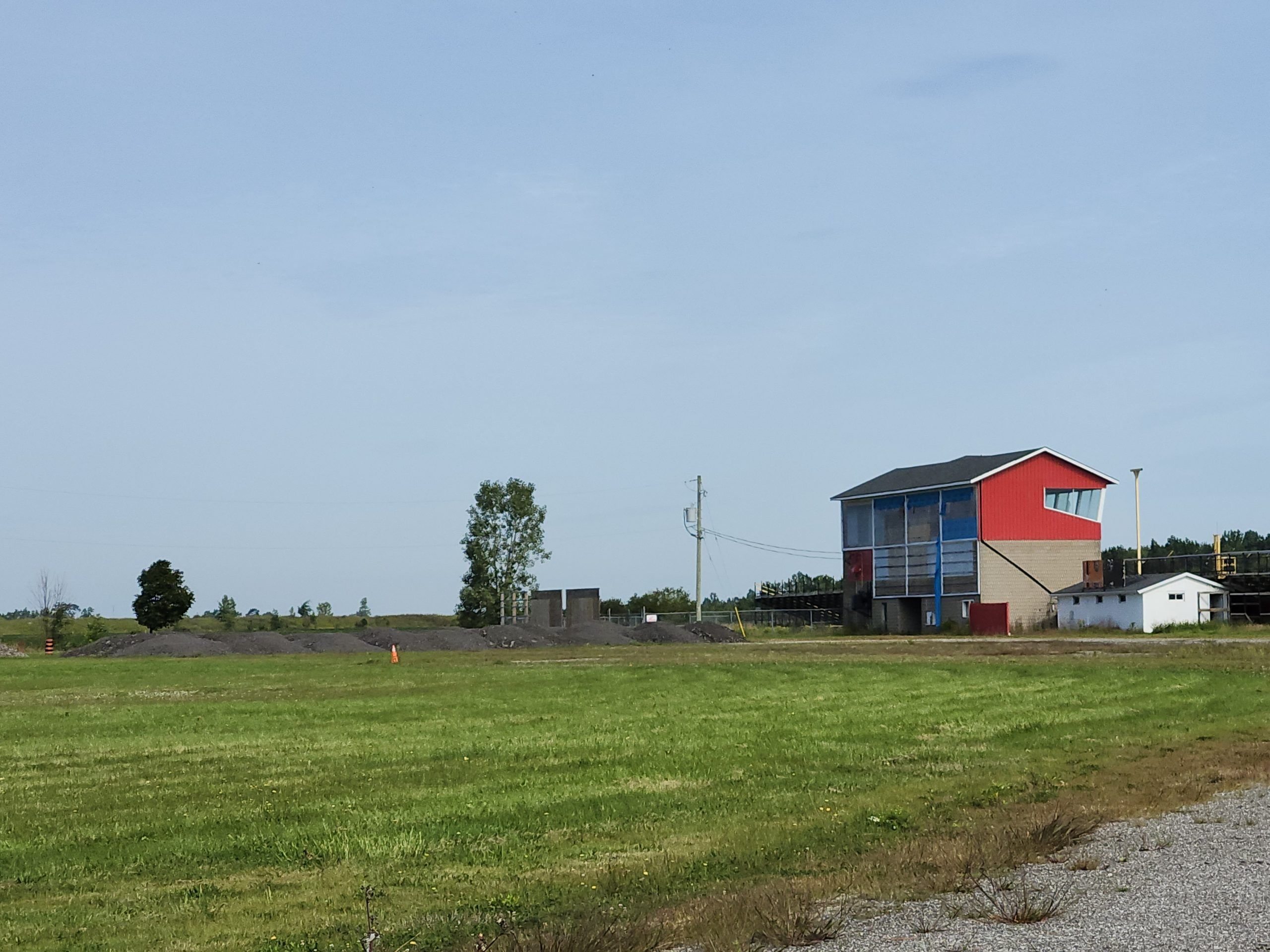
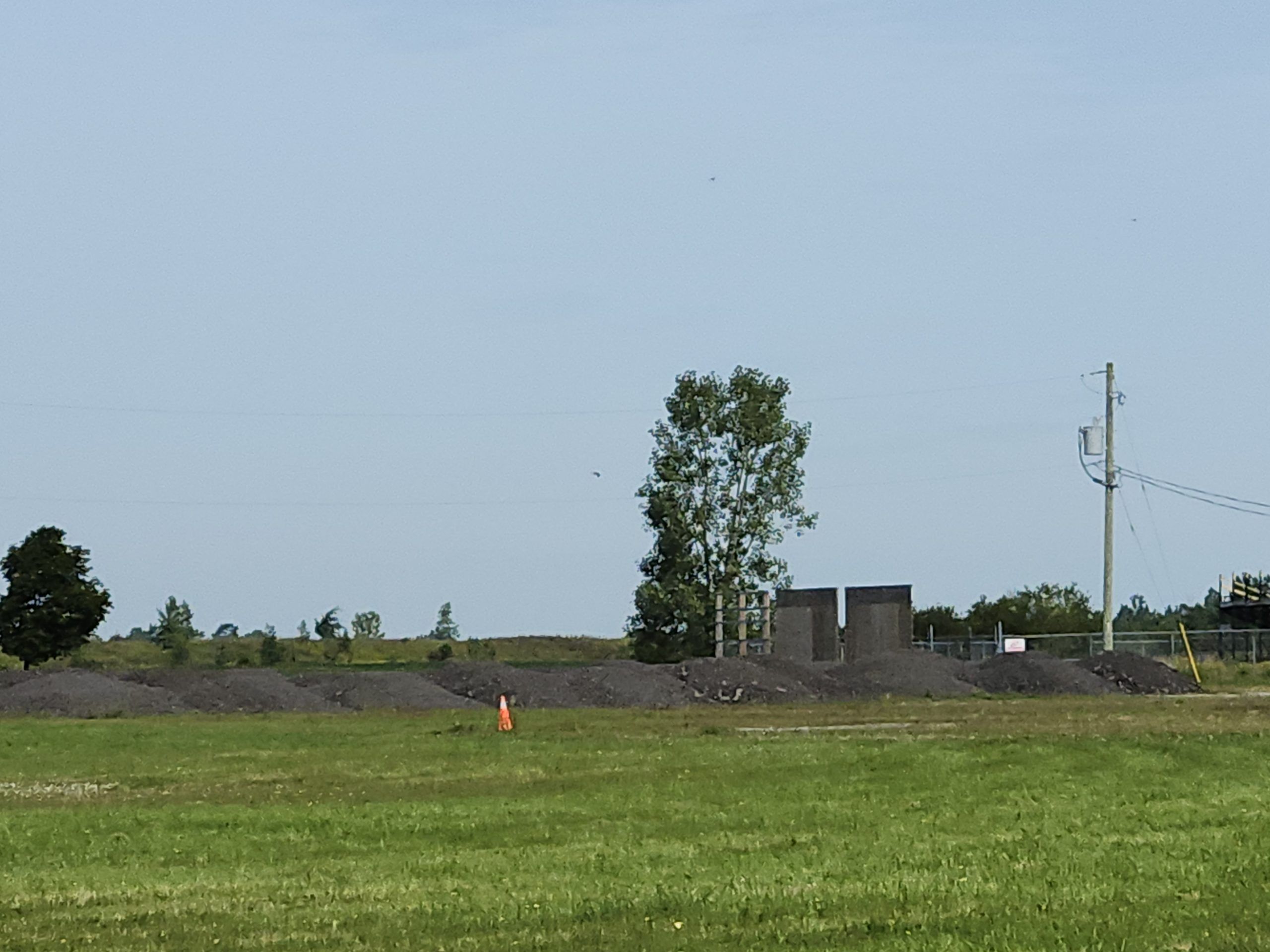
PCQ (Port Colborne Quarries, owned and operated by Rankin Construction, Inc.) was issued a Site Alteration Permit (SAP) by the City of Port Colborne, to dump/store potentially contaminated asphalt roadway grindings at the old Humberstone Speedway site without any engineered means to contain contaminants.
When the issuing of a Site Alteration Permit (SAP) was made the responsibility of Planning rather than Engineering, the NWPA expressed our concern. There are several reasons this permit should not have been granted from an Engineering perspective, that Planning overlooked.
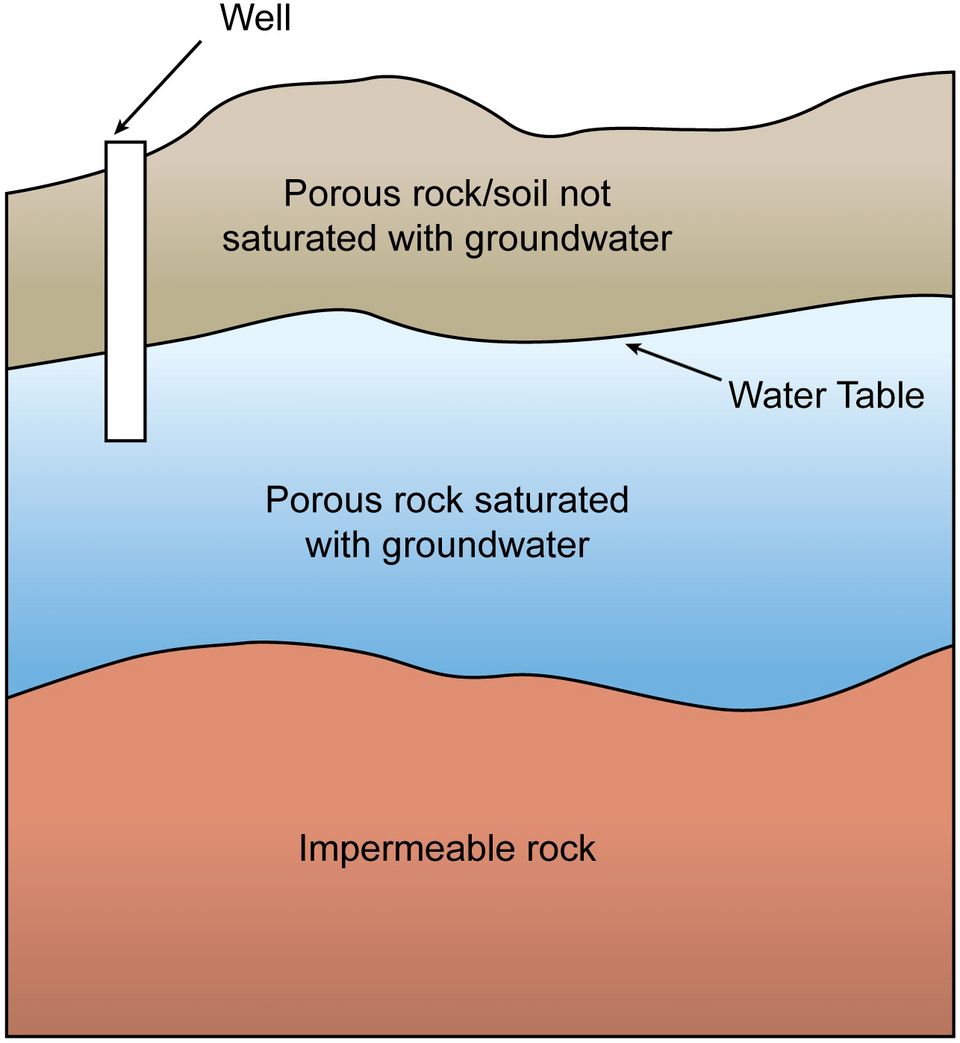
- The material is being stockpiled very close to the top of the water table (aquifer).
- Rainfall runoff from the stockpiles will reach the municipal drain and get to the lake. What doesn’t run off at the surface will leach down to the aquifer.
- This is not ordinary, clean, excess material, but asphalt millings which are contaminated with oils, ethylene glycol, de-icing salt, and anything that can drip from vehicles including commercial vehicles.
- Millings are porous and the contaminants throughout the material will be present in the runoff,
- The millings are not being stored only for a few days or weeks, it has and will continue to be for months and possibly a year or more.
The main concerns are whether the material was accurately characterized, legally transported, stored, and used—and whether the City’s Site Altering Permit authorized only grading/site work or also the storage of potentially contaminated roadway millings.
Ontario’s excess-soil framework generally requires material removed from a project area to be assessed and managed according to its quality, intended use, destination, transportation, and documentation. Reuse should have a legitimate beneficial purpose and meet the applicable soil-quality standards; contaminated material may instead require engineered waste-management controls or an Environmental Compliance Approval.
One important qualification: asphalt millings are not automatically “excess soil.” Ontario’s excess-soil definition focuses on excavated soil, crushed rock, or mixtures of soil and rock, while municipal “fill” rules may cover additional materials such as asphalt and recycled aggregate. The permit, municipal by-law, and the material’s actual composition therefore matter. (see https://excesssoils.com)
Potential issues to investigate include:
- Permit scope: whether the SAP specifically authorized importing, stockpiling, processing, or storing asphalt millings.
- Material characterization: testing for petroleum hydrocarbons, PAHs, metals, and other roadway contaminants, including whether samples were representative of the entire stockpile.
- Stormwater and runoff: sediment, oily sheen, leachate, dust, and migration toward ditches, wetlands, groundwater, or neighbouring properties.
- Engineered Storage controls: paved or lined surface, berming, cover, drainage controls, dust suppression, stockpile limits, and fire prevention.
- Legal classification: whether the millings were considered reusable aggregate, fill, excess soil, or waste.
- Provincial approvals: whether an Environmental Compliance Approval, waste-site authorization, Excess Soil Registry entry, or other provincial approval was required.
- PCQ recently received MNRF approval for the extension of Pit 3 which does not include the storage of asphalt millings.
- Municipal compliance: setbacks, grading, drainage, nuisance, zoning, traffic, noise, and site-altering-by-law requirements.
- Record of Site Condition: the Speedway property’s historical use may make past environmental reports, recognized contaminants, and any proposed change of use particularly relevant.
Despite contact with the City, MECP (Ministry of the Environment, Conservation and Parks), none of these bodies seem concerned with the potential health impacts of this dumping, or the impact to our Aquifer that supplies fresh water to thousands of homes. (To my knowledge the NPCA and the MNRF have not been contacted yet.)
All the agencies with authority to do something are aware of what PCQ is doing but according to them it is within the regulations and rights of PCQ.